SERVICE
Professional Sewer Camera Inspection in Fort Gratiot, MI
Sewer systems operate underground and behind walls, making it difficult to determine the exact cause of drainage problems without specialized equipment. Sewer camera inspection provides a detailed view of the interior condition of sewer and drain lines, allowing plumbing and sewer issues to be identified accurately. Port Huron Sewer Cleaning provides professional sewer camera inspection services in Fort Gratiot, MI, serving residential and commercial customers throughout Port Huron, MI, Fort Gratiot, MI, and St. Clair, MI.
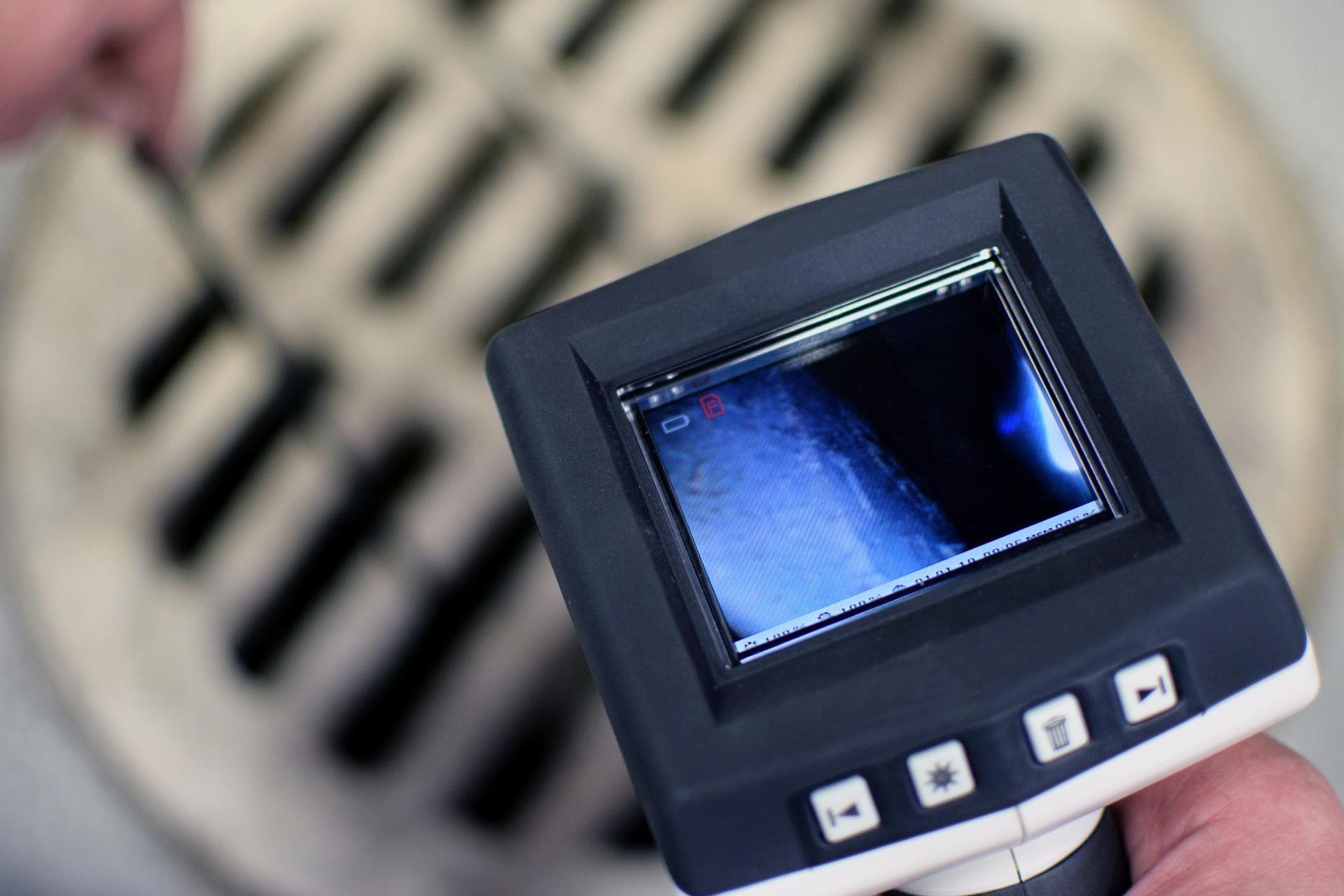
Video inspection technology allows technicians to examine sewer lines without unnecessary excavation or guesswork. A specialized waterproof camera is inserted into the pipe system and transmits real-time footage of the interior condition of the line. This process helps locate blockages, buildup, root intrusion, pipe damage, and other issues affecting drainage performance.
Comprehensive Sewer Camera Inspection Services
Sewer camera inspections can be performed for a variety of purposes, including diagnosing active drainage problems, evaluating pipe conditions, and identifying the source of recurring sewer issues.
Residential Sewer Camera Inspection
Residential sewer systems can develop blockages, buildup, and pipe deterioration over time. A sewer camera inspection provides a detailed assessment of underground sewer lines and connected drain systems within the property.
Commercial Sewer Camera Inspection
Commercial properties often rely on extensive sewer infrastructure to handle wastewater from daily operations. Video inspections help identify conditions that may interfere with proper wastewater flow and system performance.
Main Sewer Line Inspection
The main sewer line carries wastewater from the property to the municipal sewer system or septic connection. Camera inspections help determine whether the line contains obstructions, root intrusion, structural defects, or other conditions affecting flow.
Preventive Sewer Evaluations
Even when no active drainage issues are present, sewer camera inspections can be used to evaluate the condition of aging sewer systems and identify potential concerns before they become significant problems.
Common Issues Identified During Sewer Camera Inspections
A sewer camera inspection can reveal a wide range of conditions that may impact the performance of a sewer or drain system. Identifying these issues helps determine the most appropriate course of action.
Grease and Debris Buildup
Grease, soap residue, sludge, and accumulated debris can adhere to the interior walls of sewer pipes. These materials gradually reduce flow capacity and contribute to recurring drainage issues.
Tree Root Intrusion
Tree roots frequently enter sewer lines through small cracks, joints, or damaged pipe sections. Once inside, roots expand and create obstructions that interfere with wastewater movement.
Pipe Cracks and Fractures
Underground sewer pipes may develop cracks due to age, shifting soil, freezing temperatures, or external pressure. Camera inspections help locate damaged areas within the line.
Collapsed or Misaligned Pipes
Ground movement and aging infrastructure can cause sewer pipes to shift, separate, or collapse. A video inspection provides a clear view of these structural conditions.
Foreign Object Obstructions
Objects that enter the sewer system can create significant blockages. Camera technology helps pinpoint the location and nature of these obstructions.
Situations That May Require a Sewer Camera Inspection
Many sewer system problems cannot be diagnosed accurately through surface observations alone. Sewer camera inspections provide valuable information in several common situations.
Recurring Drain Backups
Repeated backups often indicate an underlying issue within the sewer line. Video inspection helps identify the source of the problem and determine whether buildup, roots, or pipe damage are contributing factors.
Multiple Slow Drains
When several drains throughout a property begin draining slowly, the issue may originate within the main sewer line. A camera inspection helps locate restrictions affecting the system.
Sewer Odors Around the Property
Persistent sewer odors can indicate damaged pipes, blockages, or ventilation issues within the drainage system. Inspection equipment helps identify the source of these conditions.
Property Transactions and Evaluations
Sewer camera inspections are often performed during property transactions to evaluate the condition of underground sewer infrastructure before a purchase is completed.
Preventive Maintenance Planning
Routine inspections help establish the condition of sewer lines and support long-term maintenance planning for residential and commercial properties.
The Sewer Camera Inspection Process
Modern sewer camera inspections provide detailed visual information while minimizing disruption to the property. The process is designed to efficiently assess the condition of underground sewer and drain lines.
Accessing the Sewer System
Inspection equipment is typically introduced through an existing cleanout, drain opening, or sewer access point. This allows the camera to travel through the pipe system.
Real-Time Video Assessment
The camera transmits live video footage as it moves through the sewer line. Technicians evaluate the condition of the pipe and identify any visible issues affecting performance.
Locating Problem Areas
Specialized locating equipment can be used to determine the precise position of blockages, roots, damaged pipe sections, or other conditions discovered during the inspection.
Inspection Documentation
The inspection findings provide valuable information regarding the condition of the sewer system and can assist with future maintenance, cleaning, or repair decisions.
Professional Sewer Camera Inspection in Port Huron, Fort Gratiot, and St. Clair, MI
Port Huron Sewer Cleaning provides professional sewer camera inspection services throughout Fort Gratiot, MI, Port Huron, MI, and St. Clair, MI. Video inspection technology allows for the accurate identification of sewer line buildup, root intrusion, structural defects, blockages, and other drainage system concerns without unnecessary excavation.
Whether addressing recurring sewer backups, slow drains, unexplained odors, or evaluating the condition of an existing sewer system, sewer camera inspections provide valuable insight into the interior condition of underground pipes. Port Huron Sewer Cleaning delivers detailed sewer camera inspection services for residential and commercial properties throughout Fort Gratiot, Port Huron, and St. Clair, Michigan.